When shopping for a new mattress, you will encounter different types of foam that either constitute the mattress core or appear as part of the mattress. Whether the mattress is soft, medium firm, firm or extra firm, the foam plays a significant role in the way it feels.
Foam types
In this blog post you can learn about different types of foam so you can make an informed decision when buying a new mattress or bed.
Latex
Latex has a responsive and bouncy feel. This means the mattress adjusts quickly as you move and gives you proper support night after night. Natural latex is made from the sap of rubber trees and is by nature able to lead away excess heat, while synthetic latex is particularly durable. A breathable mattress with latex can help keep you dry and comfortable if you tend to feel warm while sleeping.
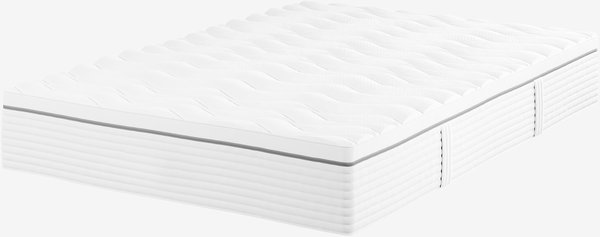
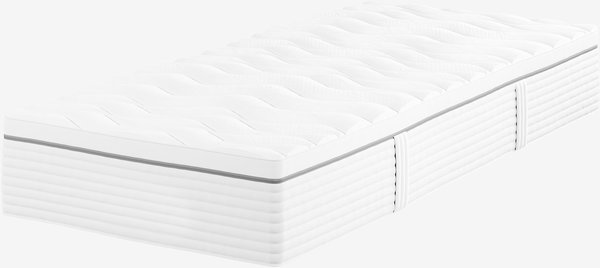
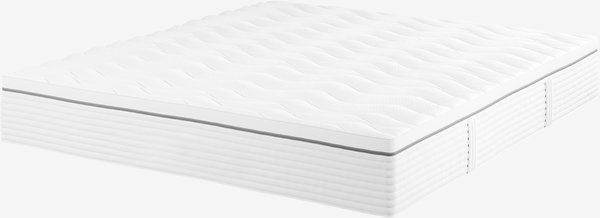
AIR memory foam
AIR memory foam shapes precisely to your body, letting it sink comfortably into the mattress. It spreads your weight evenly, which helps take pressure off your muscles and joints. Plus, AIR memory foam is not affected by the room temperature, so it stays elastic and supportive, even in a cool sleeping environment.
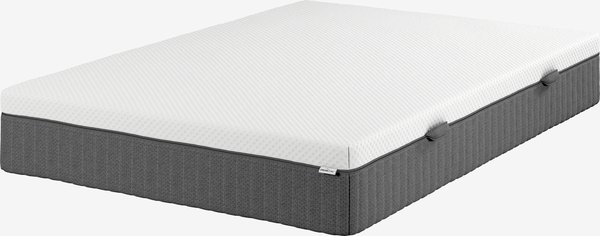
Memory foam
Like AIR memory foam, memory foam shapes precisely to your body. It spreads your weight evenly, which helps take pressure off your muscles and joints. As memory foam has a closed cell structure, it might feel slightly warmer than other foam types like AIR memory foam or Comfort+ foam. In a cold sleeping environment memory foam can feel less responsive and firmer than AIR memory foam when you first lay down.
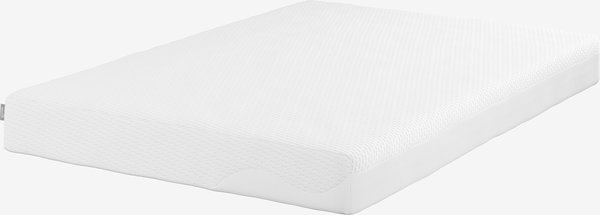
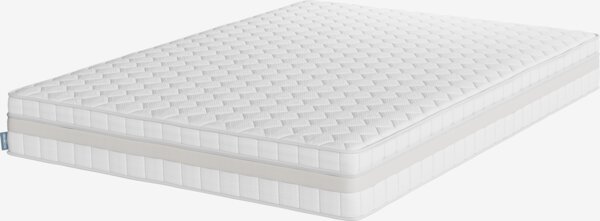
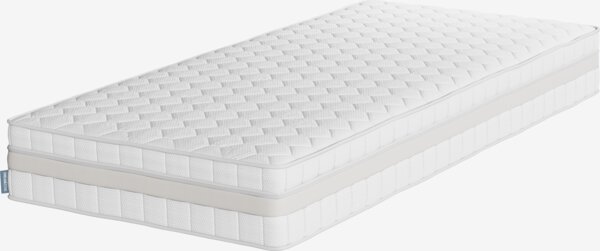
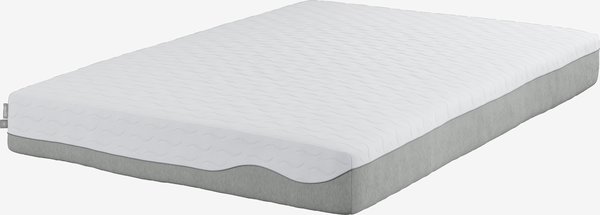
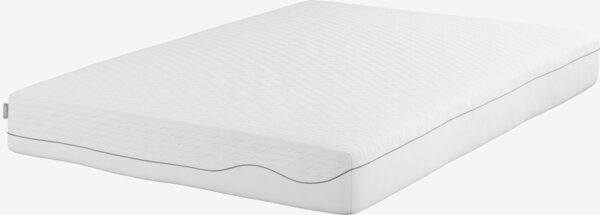
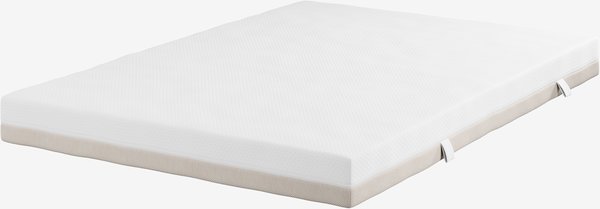
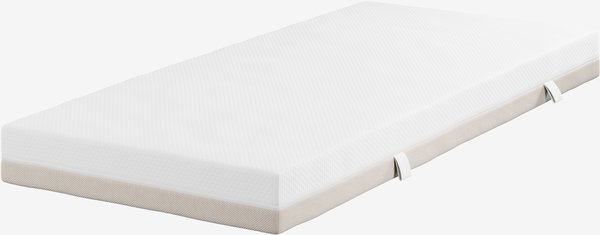
Comfort+ foam
Comfort+ foam shapes to your body and adds an extra layer of soft comfort and support. The flexible foam has an open cell structure which increases airflow throughout the mattress.
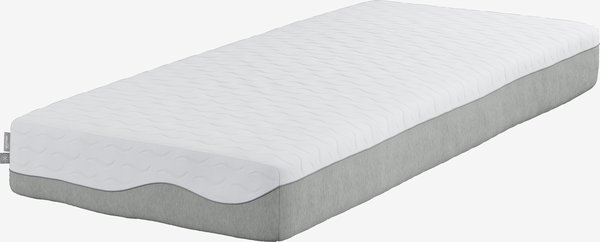
Gel foam
Gel foam adapts to your body, letting it settle comfortably into the mattress. It spreads your weight evenly, which helps take pressure off your muscles and joints. The open cell structure and gel beads in the foam help increase airflow and lead away excess heat. This makes it a good choice if you tend to get warm while sleeping.
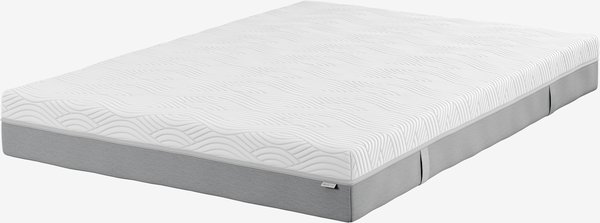
High resilience foam
Durable high resilience foam provides a flexible and elastic mattress. It has a high density and long durability. Its open cell structure makes it more breathable than regular polyether foam.
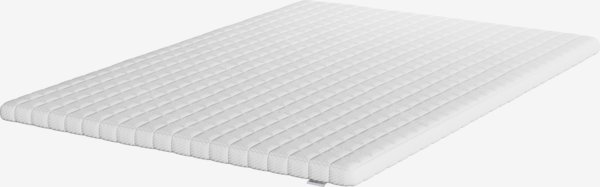
Polyether foam
Polyether foam is a commonly used type of foam, which provides firm support and is suitable for everyday sleep needs.
Our recommendations if you
Often change sleeping positions:
Opt for a mattress containing latex. It quickly adapts to your movements and gives you proper support as you move during the night.
Tend to feel warm at night:
Both gel foam and high-resilience foam are great options for those who sleep warm. They both have an open cell structure, are breathable and help increase airflow.
Sleep in a cold room:
If your bedroom has a low temperature because you prefer to sleep in a cool environment, AIR memory foam could be a great choice. It stays elastic and supportive, even when other foam types may feel less responsive.
Want pressure relief for muscles and joints:
Memory foam, AIR memory foam and gel foam all spread your weight evenly across the mattress. This can help take pressure off muscles and joints such as your shoulders, hips, lower back and knees and increase your overall comfort.
Prioritize a dry and comfortable sleep surface:
Comfort+ foam and high-resilience foam both feature an open cell structure that increases airflow throughout the mattress.
Let us help you choose the right mattress :
To learn more about which mattress is right for you, read our extensive mattress guide or visit your local JYSK store. There, you can test different options and get guidance choosing the right match based on your sleeping position and other personal preferences.