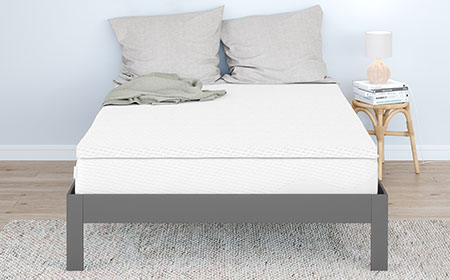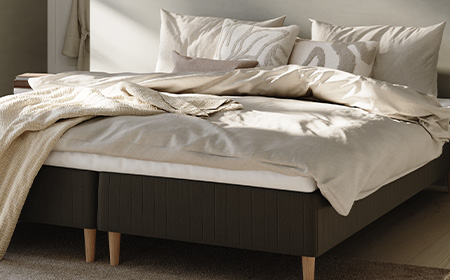
When you are looking for a new mattress, one of the most important features is its firmness. Choosing the right firmness of a mattress is key if you want a mattress that is both comfortable and supportive. But what is the right mattress firmness for you?
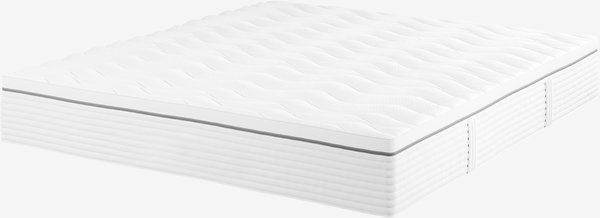
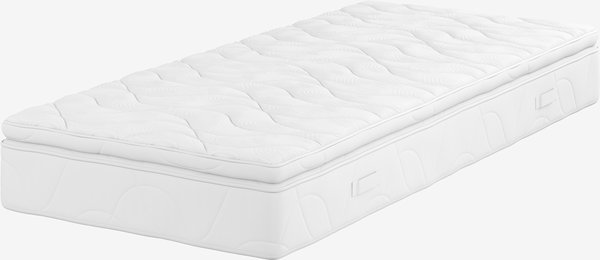
At JYSK we divide our mattresses into four different categories: soft, medium firm, firm and very firm. It is highly individual what firmness level you prefer and what matches your body type. You can however, use your weight as a rule of thumb:
A soft mattress is the right match if you weigh 70 kilograms or under
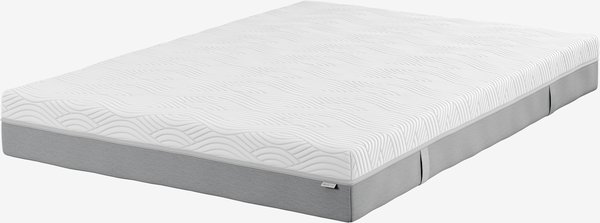
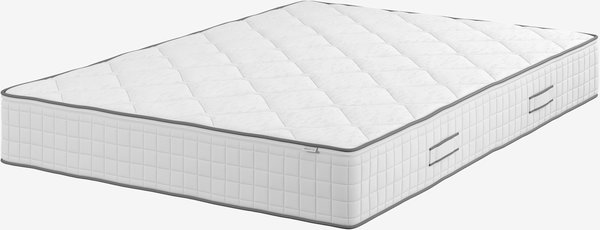
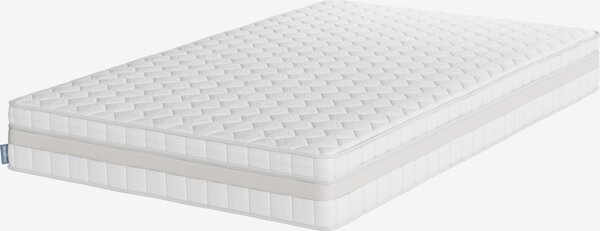
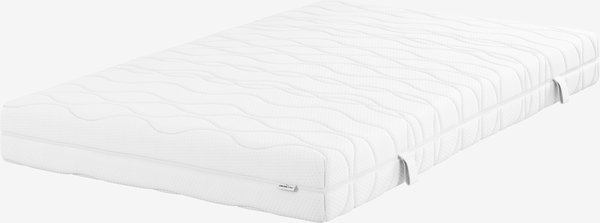
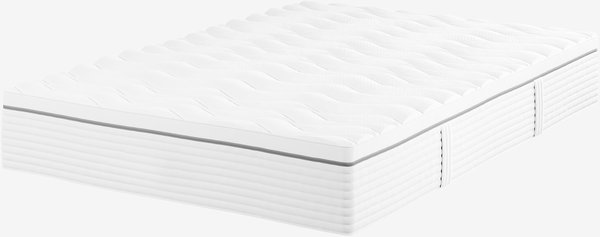
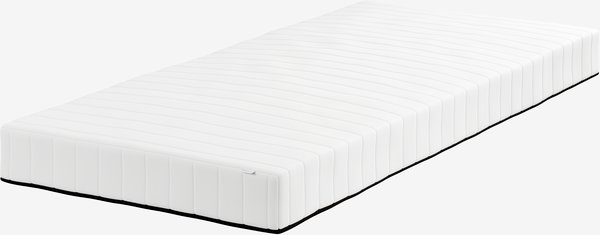
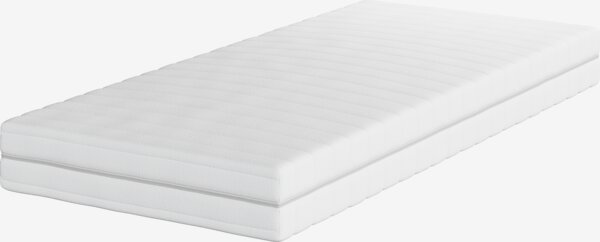
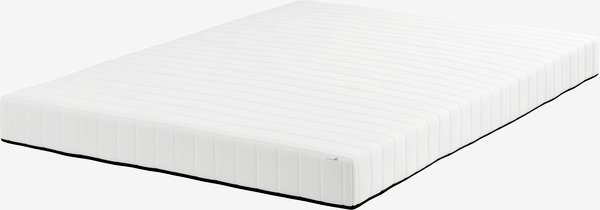
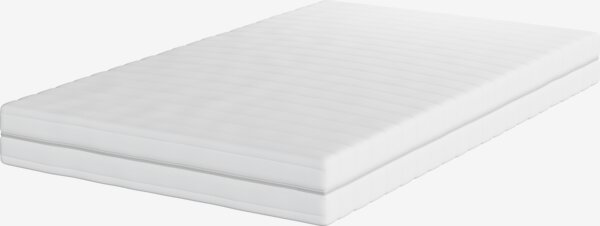
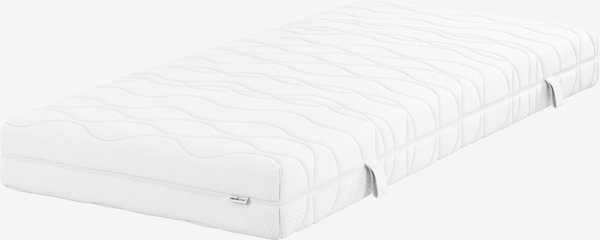
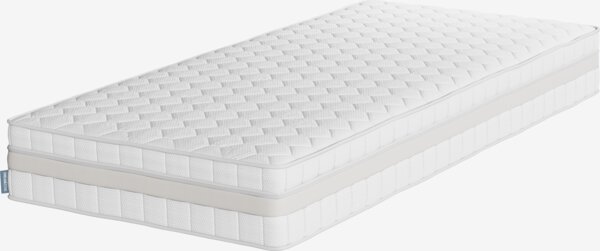
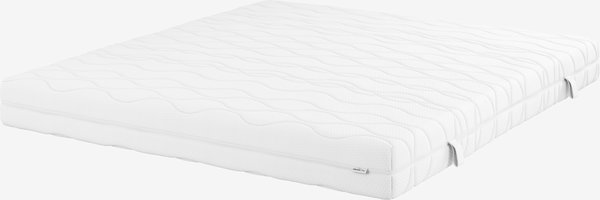
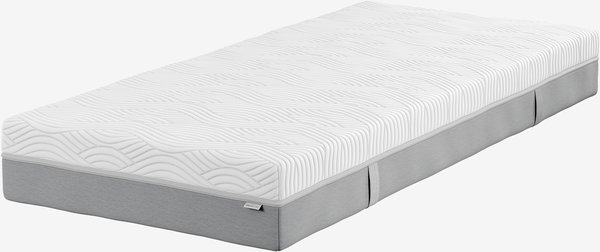
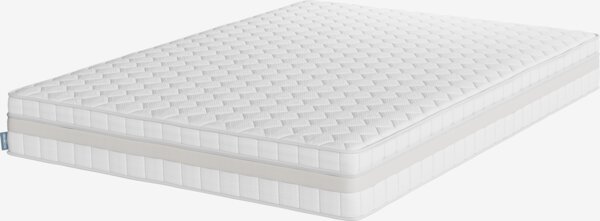
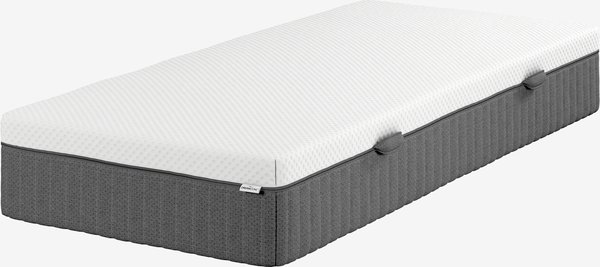
A medium firm mattress is the right match if you weigh between 70 and 85 kilograms
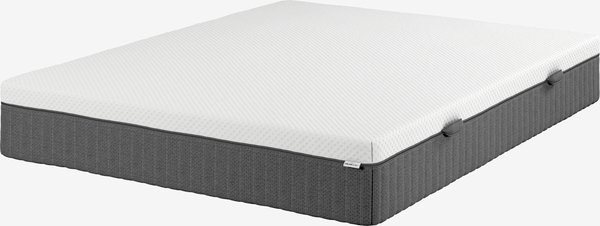
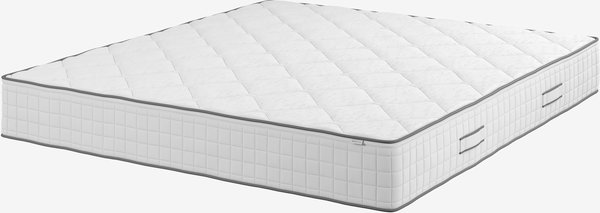
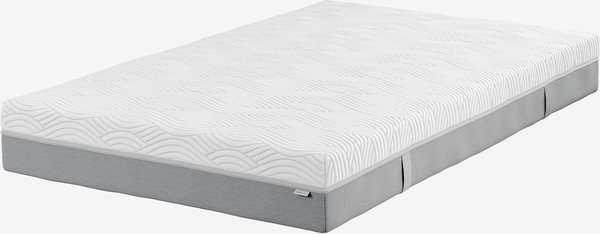
A firm mattress is the right match if you weigh between 85 and 95 kilograms
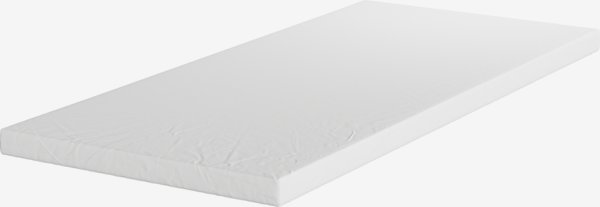

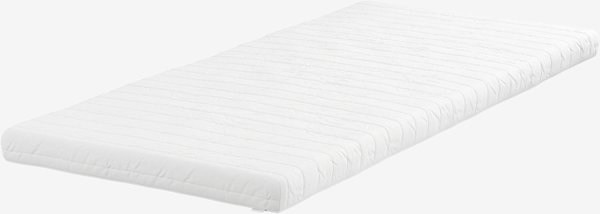
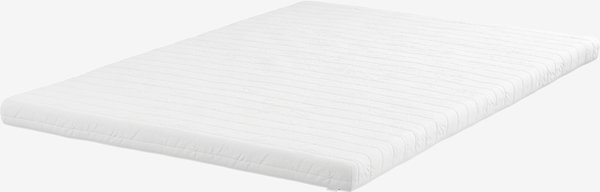
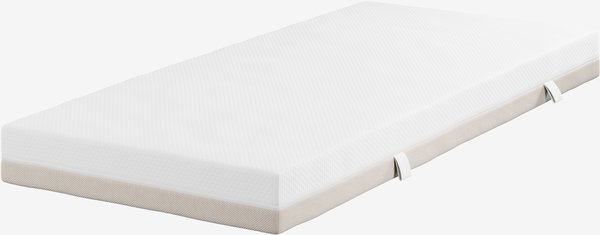
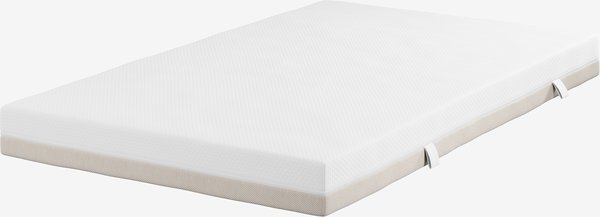
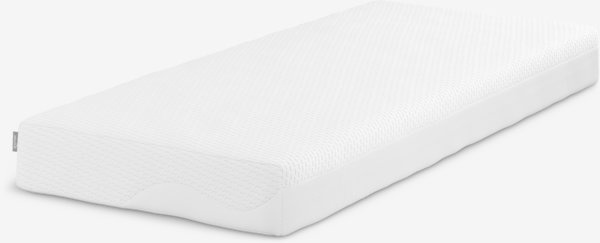
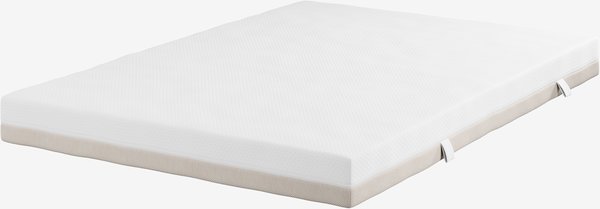
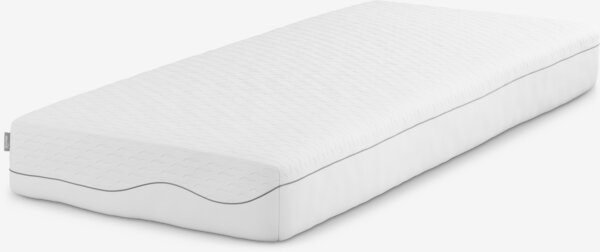
A very firm mattress is the right match if you weigh more than 95 kilograms
Why does the firmness matter?
When you lie on your side on a mattress, your neck and spine should be aligned in a straight line. This means that your mattress should give your neck, back and lumbar area just enough support, but not too much. At the same time, it should let your shoulder and hip area sink in when you are lying on your side – but again: not too much.
If you weigh 70 kilograms and lie on a firm or very firm mattress, which does not let your body sink into it, your hip and shoulder area will cause your spine to arch in an unwanted way. If you lie on a soft mattress, however, it will let your hips and shoulders sink further in, and your spine will be aligned.
If you weigh 95 kilograms and lie on your back on a soft mattress, it will let you sink into it, and leave your spine arched. If you lie on a very firm mattress, it will give you the right support for your back.
Comfort zones, comfort layers and profiling
Using your weight to determine the right level of firmness for your new mattress might not be sufficient. There are other factors that are important to consider. For instance, a foam mattress is good at shaping itself to your body, which can create a feeling of sinking into it.
Some mattresses have comfort zones that are designed to provide special support for different parts of your body, like the head, shoulders, lumbar region, hips and legs. The zones vary in firmness to provide extra lumbar support or a deeper shoulder zone, for example. By creating targeted support in specific areas, comfort zones help enhance overall comfort, promote a healthy sleeping position and reduce pressure points.
Other mattresses have up to five comfort layers that determine the feeling of depth of the mattress. A comfort layer is basically a layer of a specific foam type that has specific qualities. For instance, AIR memory foam shapes precisely to your body, letting it sink comfortably into the mattress. It spreads your weight evenly, which helps take pressure off your muscles and joints. A comfort layer consisting of latex will give you a responsive and bouncy feel. In combination, these two foam types create a tailored support.
At JYSK you will find mattresses with a combination of comfort zones and comfort layers. The combination of comfort zones and comfort layers affect how well you sink into the mattress and ultimately, how well you sleep.
Comfort zones and comfort layers are specifically important when it comes to finding a mattress that is ideal for your sleeping position. When we talk about sleeping position, we refer to the position you lie in when you first fall asleep. As a rule of thumb, if you fall asleep on your side, you should have a mattress which allows room for your shoulders and hip zone to sink in. If you fall asleep on your back, you should have a mattress that offers sufficient support for your lumbar zone. With the right firmness and mattress construction, you will be more comfortable, and chances are that you will fall asleep quickly and feel more rested when you wake up in the morning.
Foam and springs
The specifics of a mattress also contribute to the feeling of a mattress and its level of comfort. There can be variations in the construction of the beds and mattresses that can make a mattress feel firmer or softer than what you would expect. For example, there can be differences between the feel of different foam types: Some adapt quicker to your body while others take a bit longer. This as well as other factors can influence your experience of the mattress’ firmness. Likewise, different springs behave differently and offer different types of comfort and firmness.
For example, pocket springs move independently of one another, which creates more comfort zones to give your body support and deep comfort. Bonell springs, on the other hand, don't provide the same deep and specific comfort as pocket springs. The type of spring in your mattress, therefore, has a significant influence on your bed's firmness.
The effect of a mattress topper
Mattress toppers are not divided into firmness levels such as spring mattresses and foam mattresses. However, a mattress topper, placed on top of a regular mattress, can adjust the way this feels. If you have a very firm mattress, you can soften the experience using the right top mattress - and vice versa.
To learn more about which mattress is right for you, read more of our guides or visit your local JYSK store. There, you can test different options and get guidance choosing the right match based on your sleeping position and other personal preferences.