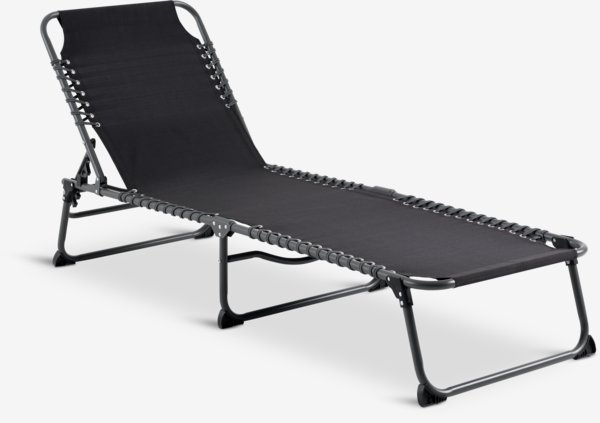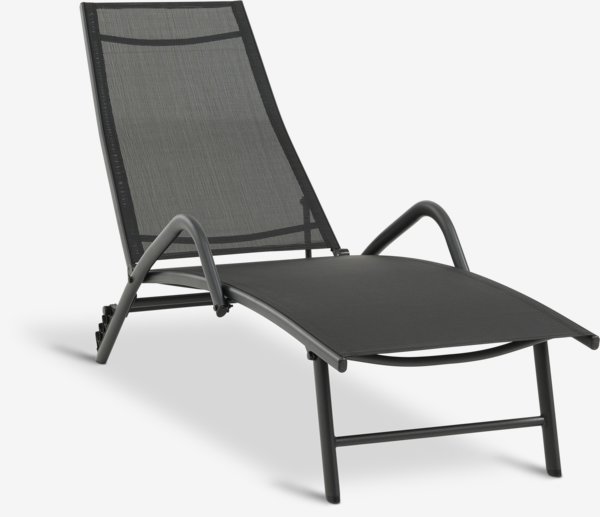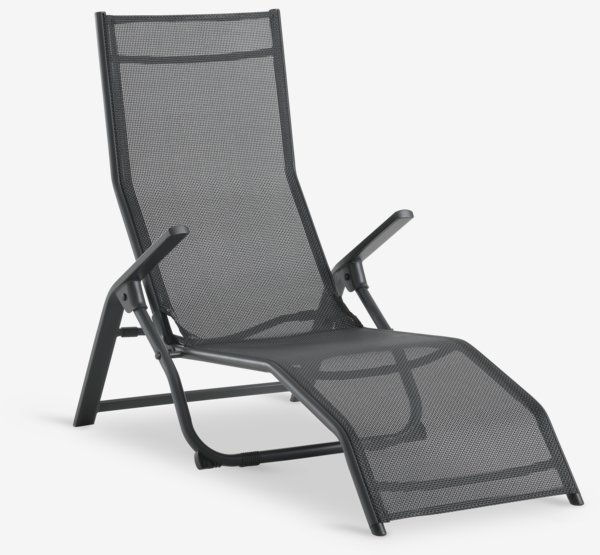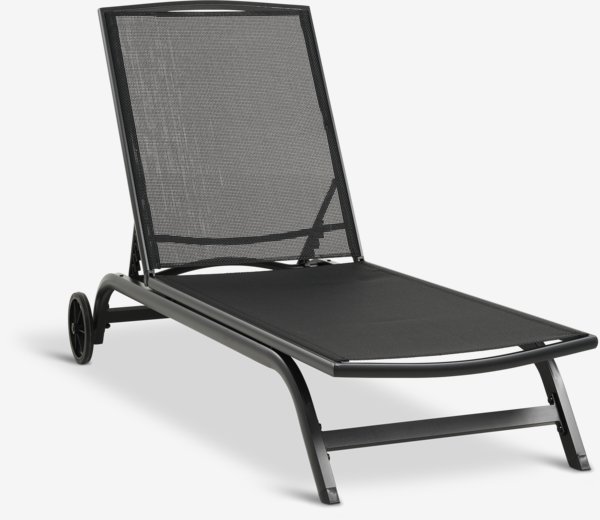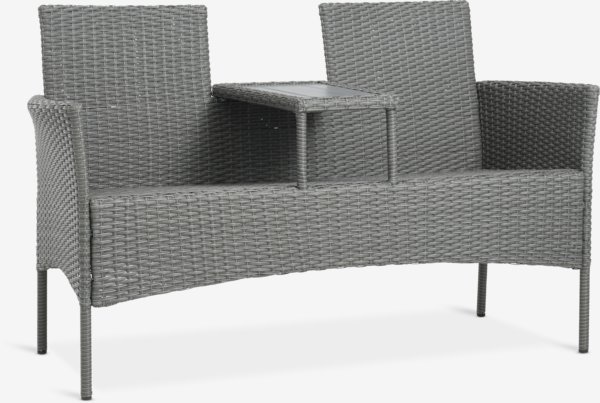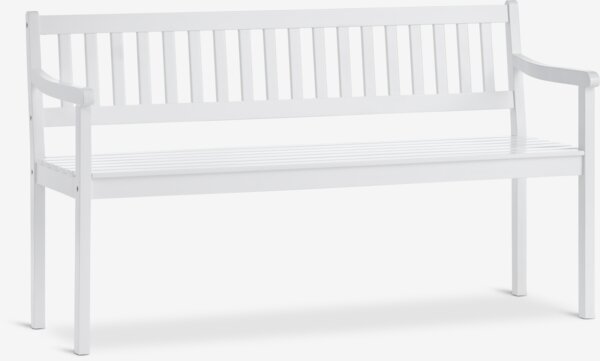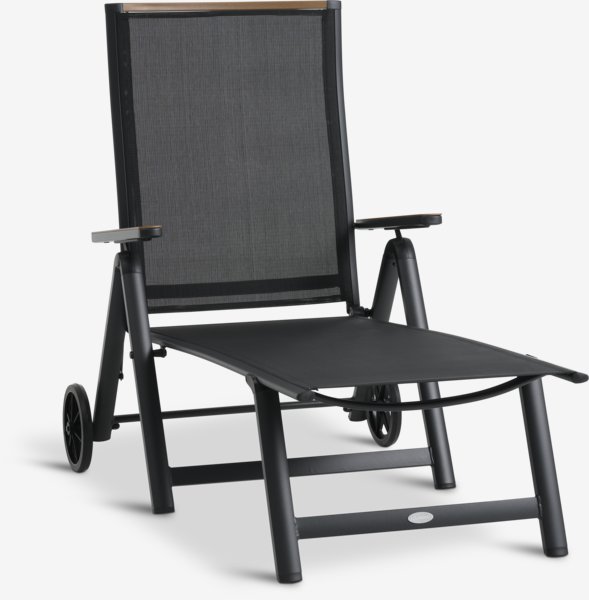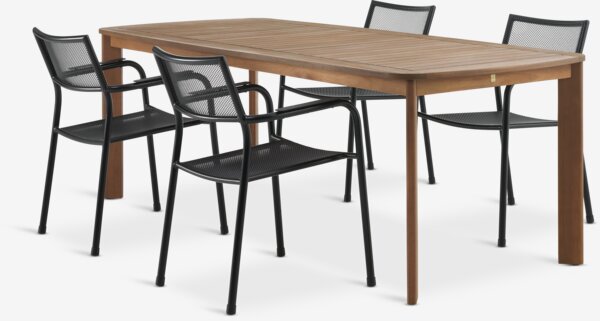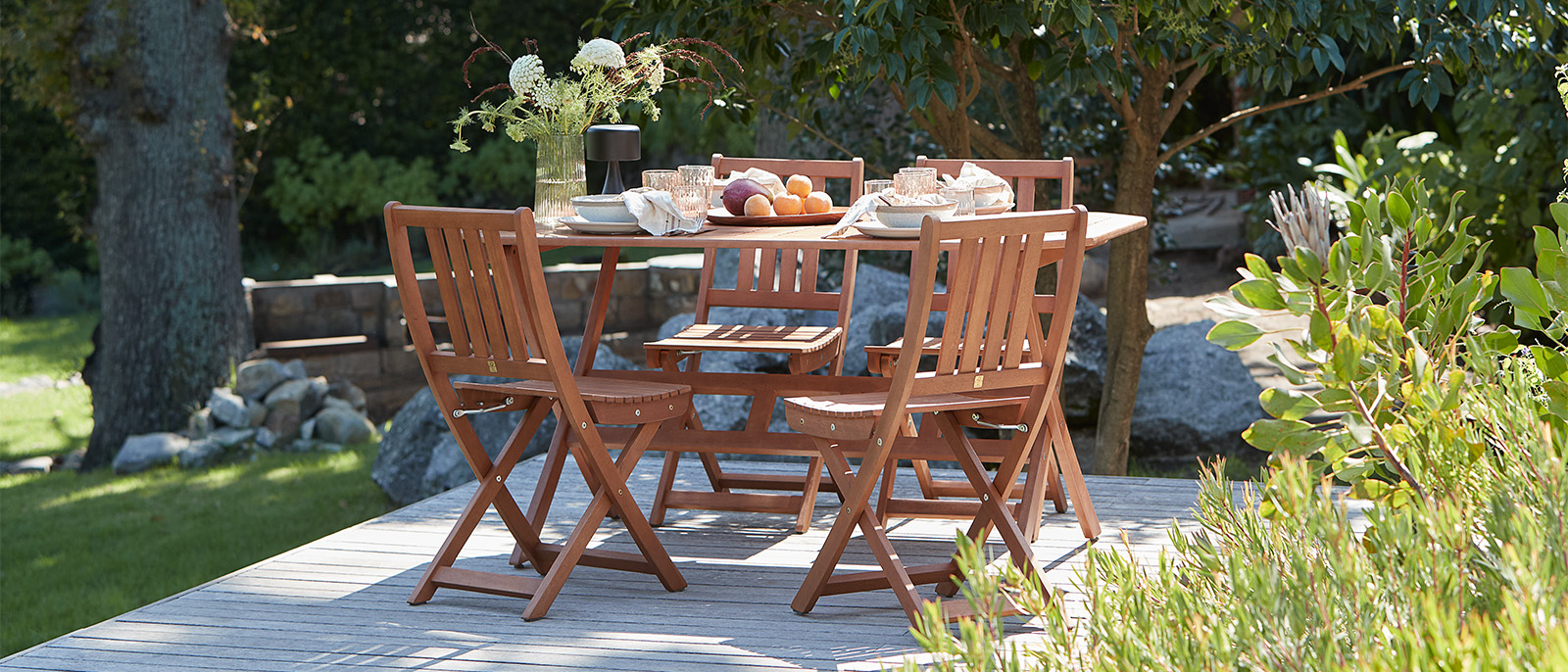
Garden furniture has different care and maintenance requirements depending on the material it is made from. Some materials are easy to maintain with regular cleaning, while others benefit from additional treatment to stay in good condition.
With the right care, you can help keep your garden furniture looking its best and extend its lifespan. This guide covers everything from everyday cleaning and maintenance to protecting and storing your furniture during the colder months.
Cleaning your garden furniture
Regular cleaning helps remove dirt, stains, algae and other debris and keeps your garden furniture looking its best. It is also an important first step before carrying out additional maintenance or storing furniture for a longer period.
Cleaning according to material
The appropriate cleaning method depends on the material. Many low-maintenance materials, such as aluminium, treated steel, artificial wood and plastic, can generally be cleaned with a damp cloth and mild detergent. Other materials may require specific cleaning products or methods. For example, when cleaning hardwood furniture, use a suitable wood cleaner to avoid damaging the surface.
It is recommended that you clean your garden furniture occasionally throughout your outdoor season. At a minimum, give your garden furniture a thorough clean before the outdoor season begins and again before longer-term storage or winter protection.
Features such as low-maintenance surfaces or UV protection can help make garden furniture easier to care for and more resistant to everyday outdoor exposure, but regular cleaning and appropriate care can still help keep it in good condition.
Maintaining your garden furniture
Depending on the material and how exposed the furniture is to the weather, additional maintenance or treatment may help keep it in good condition. Most low-maintenance garden furniture does not require regular treatment, but occasional cleaning and care can help maintain its condition. For garden furniture made with steel, pay particular attention to scratches or areas where the protective surface has been damaged. Plastic and artificial wood generally require little more than regular cleaning, while wooden furniture may benefit from additional treatment such as oiling.
Hardwood treatment and oiling
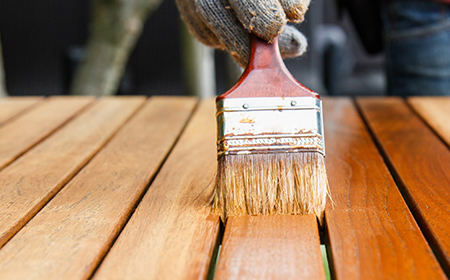
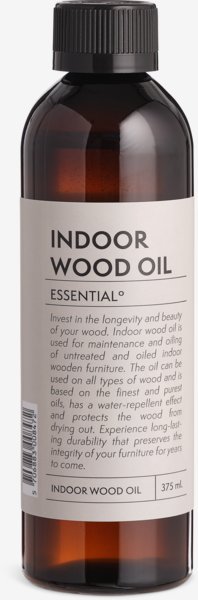
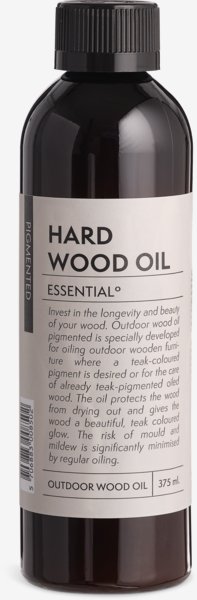
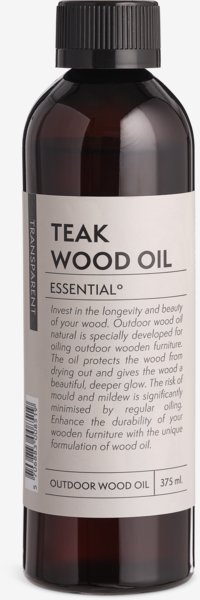
Hardwood garden furniture, such as teak, acacia and eucalyptus, can benefit from regular treatment with a suitable outdoor wood oil. Clean the furniture thoroughly with a suitable wood cleaner and a brush with stiff bristles to help remove debris, algae, mould and fungus. After cleaning, apply your hardwood oil for outdoor furniture and always use a product specifically intended for hardwood and outdoor use.
As a general rule, treat your wooden garden furniture two to three times a year to help protect the wood against drying out and cracking. The oil also helps protect against moisture and water exposure. If your furniture is regularly exposed to strong sunlight, rain or moisture, it may benefit from more frequent treatment. Check out our video guide to maintaining your hardwood garden furniture to go through the process step by step.
Preparing your garden furniture for the off-season
When the outdoor season comes to an end, a little extra care can help protect your garden furniture during periods of colder, wetter or otherwise less favourable weather. This is especially important in places where winter typically brings snow, ice and freezing temperatures.
What garden furniture can stay outside during winter?
Whether garden furniture can stay outside during winter depends on its material, construction and exposure to the elements. If your furniture is frostproof, it can generally withstand freezing temperatures, but this does not mean it should be left fully exposed throughout the off-season.
If possible, shelter your garden furniture from rain, moisture, strong wind and other weather exposure. Using a suitable cover or storing the furniture in a sheltered space can help protect it and prolong its lifespan.
Should garden furniture be covered in winter?
If you leave your garden furniture outdoors during the off-season, our recommendation is yes. A suitable cover can help protect it from the elements, provided the furniture is dry and the cover allows sufficient ventilation.
Before winter
- Clean the furniture and let it dry
- Treat the furniture where needed, such as applying oil to hardwood
- Move cushions and textiles to a suitable storage space
During the off-season
- Keep the stored furniture dry and well ventilated
- If any furniture remains outdoors, use a suitable furniture cover to protect it from the elements
- Check occasionally for trapped moisture or standing water
When the outdoor season begins again
- Remove the furniture covers or take the furniture out of storage
- Check for dirt, moisture, or signs of damage
- Clean and treat the furniture where necessary before you start using it regularly again
Storing your garden furniture
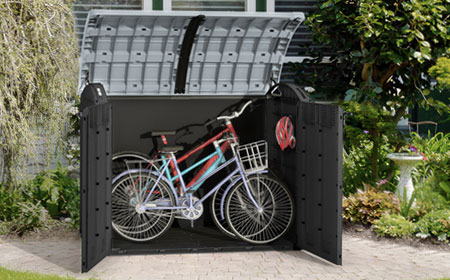
Proper storage can help protect your garden furniture from prolonged exposure to moisture, dirt and other weather conditions. Where possible, store furniture in a dry, sheltered and well-ventilated space, and avoid direct contact with damp floors or ground.
How to store your garden furniture
Before storing your garden furniture, make sure it is clean and completely dry. Depending on the furniture, you may be able to fold, stack or disassemble it to save space. Leave enough room for air to circulate and avoid stacking or positioning furniture in a way that could damage its surfaces.
Storing garden cushions and textiles
Garden cushions and other garden textiles should be completely dry before longer-term storage. It is recommended that you store them in a dry, sheltered place to help protect them from moisture, mould and mildew. If you do not have suitable indoor storage, such as a garage or storage shed, an outdoor cushion box can provide a practical solution.
Garden furniture covers for when sheltered storage isn't possible
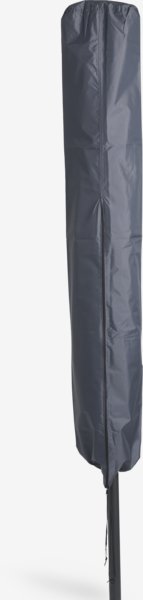
Not all garden furniture needs to be stored indoors. If indoor storage is not possible, place the furniture in the most sheltered location available and use a suitable garden furniture cover. Make sure the furniture is clean and dry before covering it, and allow sufficient ventilation to reduce the risk of trapped moisture.
Learn more about garden furniture
Explore our full range of garden furniture and find the right solutions for your outdoor space.
If you'd like to learn more about the materials commonly used for outdoor furniture, read our guide to different garden furniture materials.
For more guidance when choosing the key pieces for your outdoor space, explore our ultimate guides to garden tables, garden chairs and quick-drying all-weather outdoor furniture.